

Caciques and Cemi Idols: The Web Spun by Taino Rulers Between Hispaniola and Puerto Rico (Caribbean Archaeology and Ethnohistory)
Product details
| Management number | 231877436 | Release Date | 2026/06/18 | List Price | US$13.09 | Model Number | 231877436 | ||
|---|---|---|---|---|---|---|---|---|---|
| Category | |||||||||
Takes a close look at the relationship between humans and other (non-human) beings that are imbued with cemí power, specifically within the Taíno inter-island cultural sphere of Puerto Rico and Hispaniola Cemís are both portable artifacts and embodiments of persons or spirit, which the Taínos and other natives of the Greater Antilles (ca. AD 1000-1550) regarded as numinous beings with supernatural or magic powers. This volume takes a close look at the relationship between humans and other (non-human) beings that are imbued with cemí power, specifically within the Taíno inter-island cultural sphere encompassing Puerto Rico and Hispaniola. The relationships address the important questions of identity and personhood of the cemí icons and their human “owners” and the implications of cemí gift-giving and gift-taking that sustains a complex web of relationships between caciques (chiefs) of Puerto Rico and Hispaniola. Oliver provides a careful analysis of the four major forms of cemís—three-pointed stones, large stone heads, stone collars, and elbow stones—as well as face masks, which provide an interesting contrast to the stone heads. He finds evidence for his interpretation of human and cemí interactions from a critical review of 16th-century Spanish ethnohistoric documents, especially the Relación Acerca de las Antigüedades de los Indios written by Friar Ramón Pané in 1497–1498 under orders from Christopher Columbus. Buttressed by examples of native resistance and syncretism, the volume discusses the iconoclastic conflicts and the relationship between the icons and the human beings. Focusing on this and on the various contexts in which the relationships were enacted, Oliver reveals how the cemís were central to the exercise of native political power. Such cemís were considered a direct threat to the hegemony of the Spanish conquerors, as these potent objects were seen as allies in the native resistance to the onslaught of Christendom with its icons of saints and virgins. Read more
| ASIN | B00MO8HZ2M |
|---|---|
| XRay | Not Enabled |
| ISBN13 | 978-0817381172 |
| Edition | 2nd |
| Language | English |
| File size | 8.1 MB |
| Page Flip | Enabled |
| Publisher | University Alabama Press |
| Word Wise | Not Enabled |
| Print length | 326 pages |
| Accessibility | Learn more |
| Screen Reader | Supported |
| Part of series | Caribbean Archaeology and Ethnohistory |
| Publication date | September 15, 2009 |
| Enhanced typesetting | Enabled |
Bestseller ranking
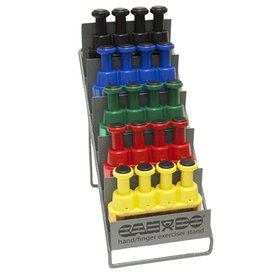
Hand Exercisers


Customers who viewed this product also viewed
Physical



Correction of product information
If you notice any omissions or errors in the product information on this page, please use the correction request form below.
Correction Request Form